by Melissa Atkinson
For the last few years, I have had the privilege of being involved with a new museum project at Auckland Castle in Bishop Auckland, County Durham. This regeneration project encompassed renovating the castle and its grounds with a new heritage centre, galleries and a museum focusing on the history of faith in Britain.
In August 2014, one of the Project Curators contacted me about the development of the new Faith Museum. It would be the first museum in England to explore a history of faith and belief in the British Isles from prehistory to the present day, using personal histories of faith through rare and compelling objects.
Due to the complexity of organising an exhibition and borrowing material from other institutions, museum exhibition planning and preparation are developed up to ten years in advance. Large-scale projects evolve over time, budgets are cut, pandemics intervene and plans change, so the Faith Museum itself has evolved, producing a gallery layout that is now thematic, rather than based on a chronological approach. The objects have been selected from their own collections, as well as private and public collections such as ours.
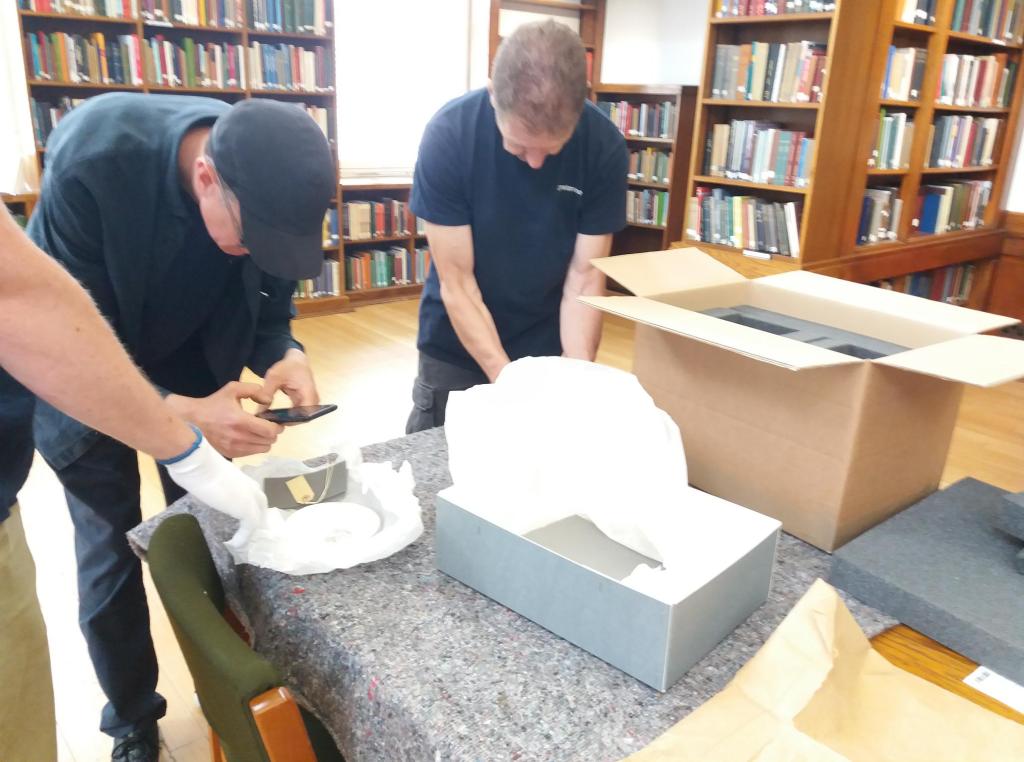
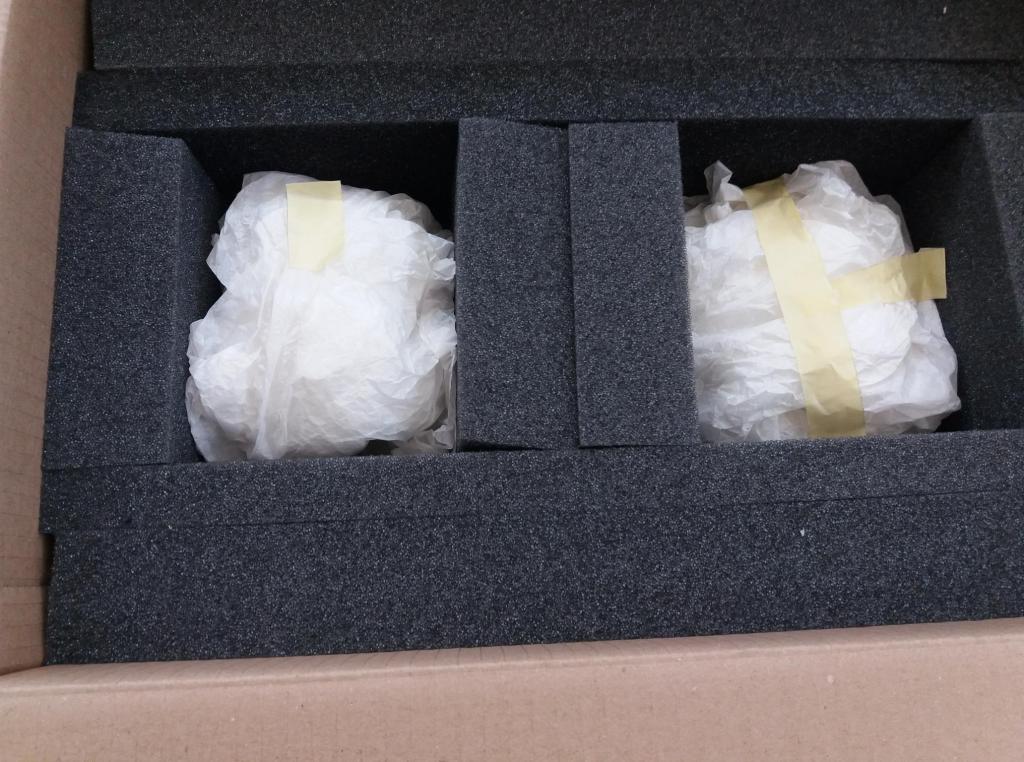
Constantine Fine Art transport team in the Library, packing the teacup and saucer for its move up north
The Library’s collections encompass a vast range of material such as letters, diaries and objects from people involved with the beginning of Quakerism. Letters written by Anne Audland (1627-1705), a minister jailed at Auckland for preaching, are one example. Quakerism had a strong following in the North East and at Auckland a building was bought for use as a meeting house in 1686.
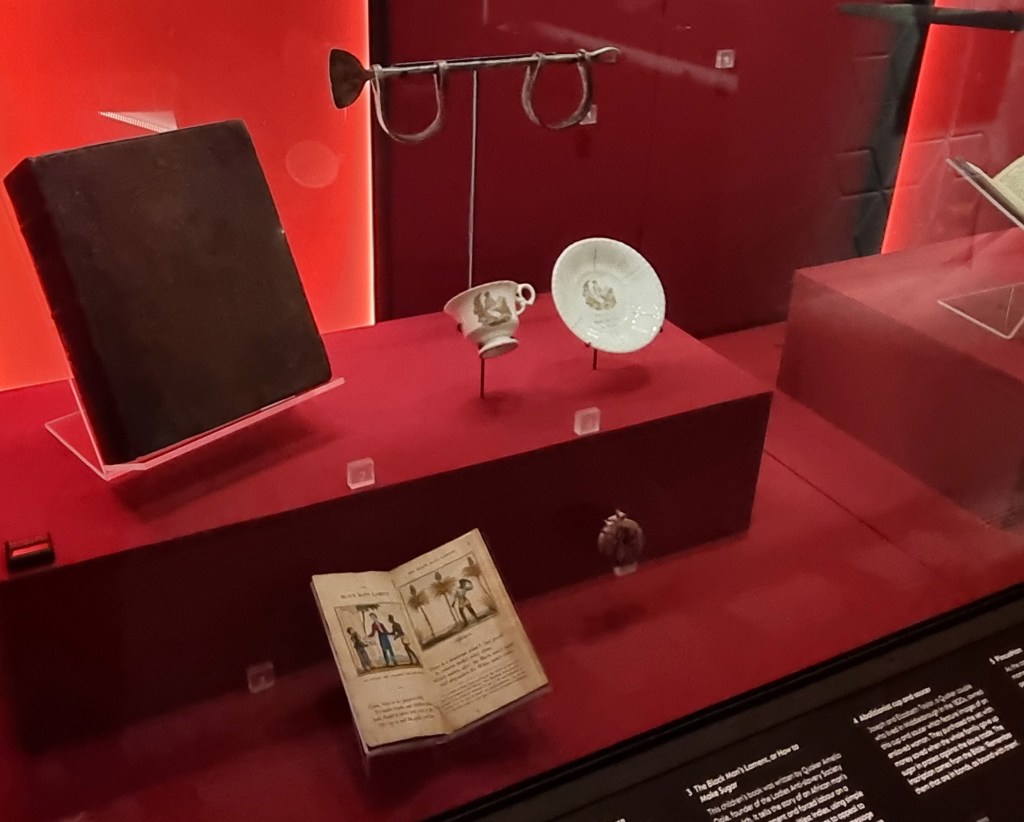
Due to space limitation and the need for other stories to be told, a long list of potential objects to loan was eventually narrowed down to an “abolitionist” teacup and saucer with direct links to the North East.
The teacup and saucer were part of larger tea set owned by Quakers Joseph Taylor (1783-1860) and Elizabeth [nee Harris] (1788-1873) and their 12 children, of Middlesbrough. The family boycotted sugar produced on plantations using slave labour. This tea set and others like it helped raised awareness of the issues and promoted the campaign.

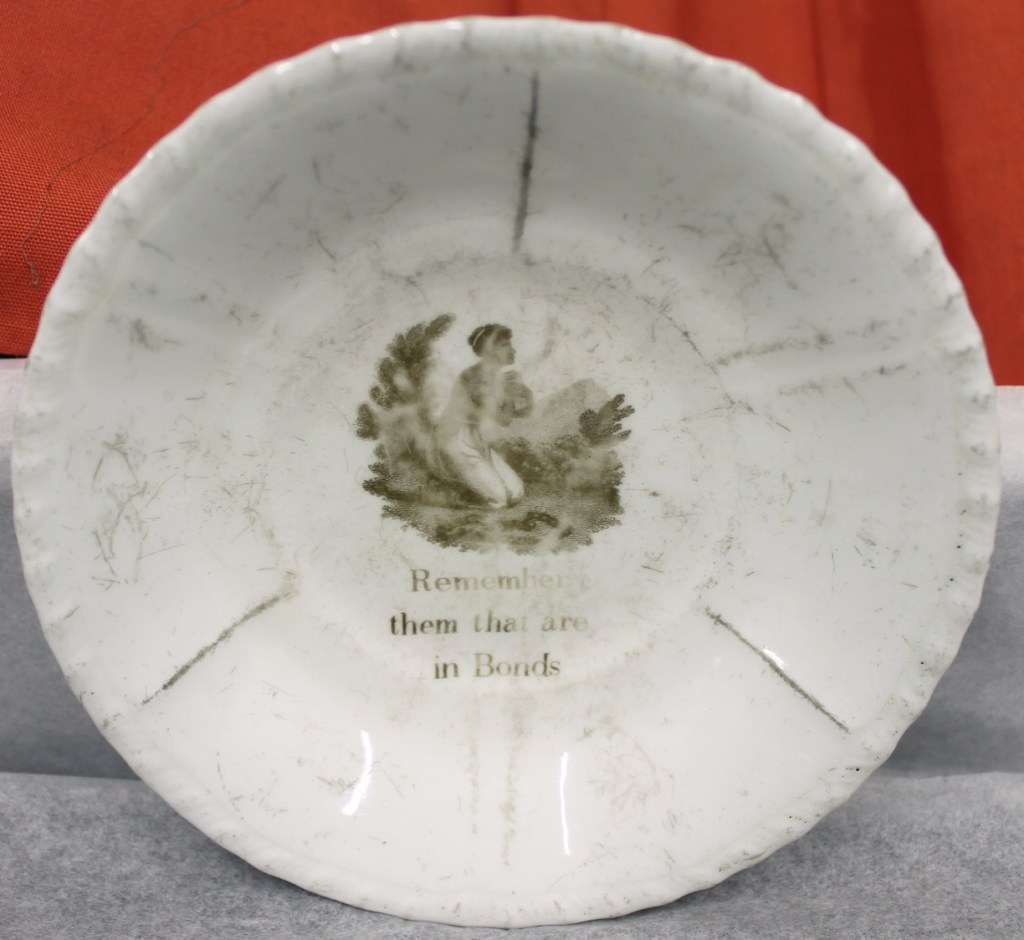
The teacup and saucer are made of bone china with a transfer print made circa 1820-30 from Staffordshire potteries. Many Quakers joined the campaign to boycott the products of enslavement, such as dyes, cotton and sugar.
In the 1820 to 1830s many female anti-slavery associations were set up. Female campaigners including Elizabeth Heyrick (1769-1831) helped organised a mass sugar boycott, produced leaflets, raised funds and abstained from slave grown sugar.
We’re delighted that a museum object from our collections, with an interesting story shedding light on Quaker witness, can now be on display so close to where it was owned by a Quaker family. Joining over 250 other objects telling the story of multi-faith Britain, our teacup and saucer with their own unique social history can now be seen by a new audience, in a brand new venue.
The Faith Museum opens October 2023. Details can be found here:
https://aucklandproject.org/venues/faith-museum/
 Quaker Strongrooms
Great to see this. Hope all is well with you all.
What a poignant artefact.
Fascinating to see that activism—and creative publicizing—were alive and well in the 19th century!
Great outreach and it’s lovely to read of museums and our Library cooperating!